
Common Types of Centrifuges Used in Laboratories
Common laboratory centrifuges include microcentrifuges for small volumes and speeds up to 15,000 rpm, and ultracentrifuges that exceed 100,000 rpm for high-resolution separations. Refrigerated centrifuges maintain low temperatures for sensitive samples, preserving biomolecules during long spins. Fixed-angle rotors offer efficient Benchtop centrifuge, quick sedimentation, while swinging-bucket rotors provide gentle, clear separations with minimal shear. Each type serves distinct purposes, and understanding their features helps optimize laboratory workflows for various experimental needs. More details clarify their ideal applications.
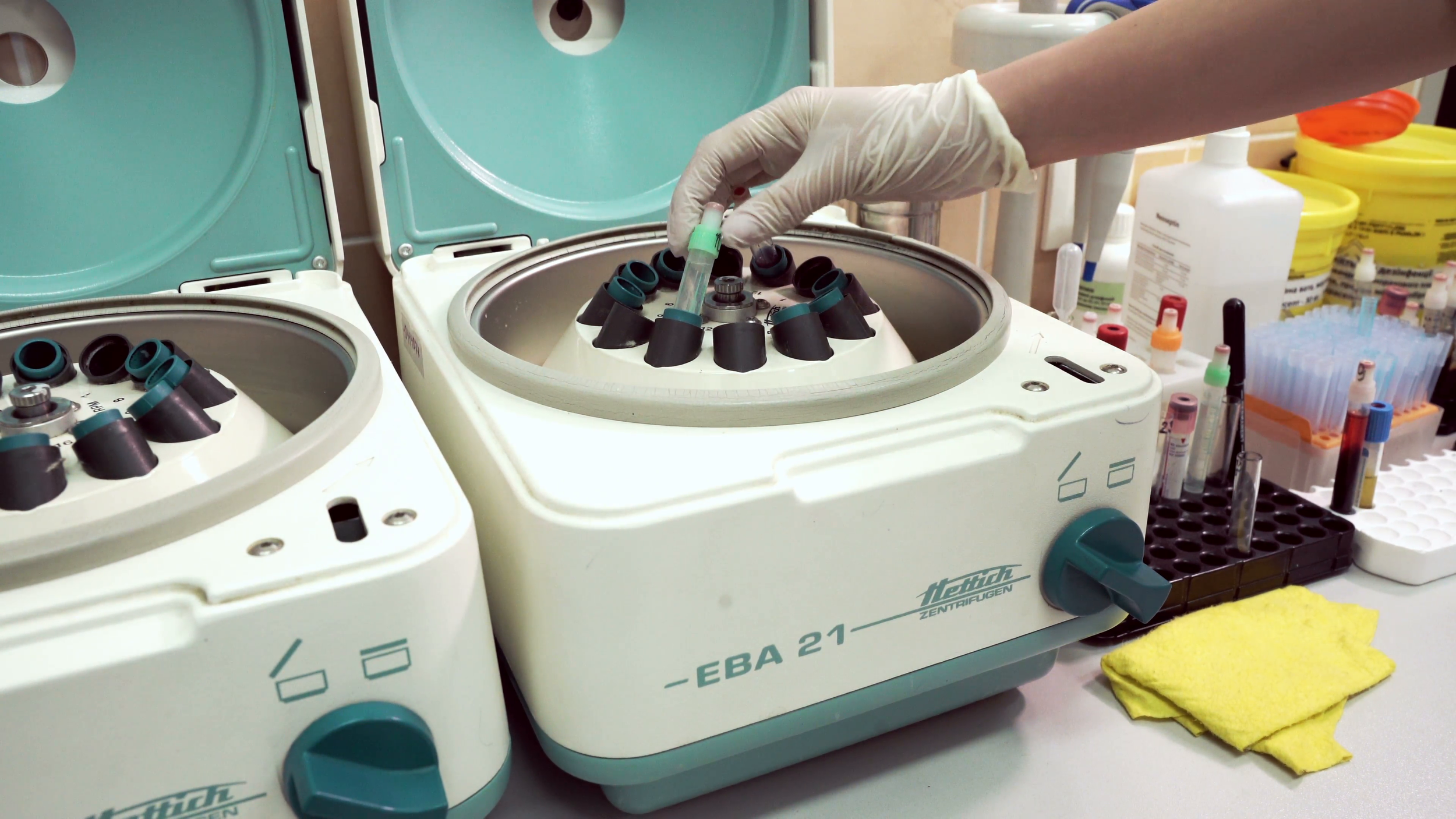
How to Differentiate Between Microcentrifuges and Ultracentrifuges
Distinguishing microcentrifuges from ultracentrifuges involves examining their operational speed, capacity, and applications.
Microcentrifuges typically operate at speeds up to 15,000 rpm and handle small sample volumes Lab Alliance, often less than 2 mL. They are ideal for routine laboratory tasks such as pelleting cells or separating nucleic acids.
Ultracentrifuges, by contrast, reach speeds exceeding 100,000 rpm and accommodate larger volumes. These instruments enable separation of subcellular components, viruses, and macromolecules with high precision.
The choice between them depends on experimental requirements for resolution and sample size. Understanding these differences allows users to select equipment that maximizes efficiency and scientific freedom, avoiding unnecessary constraints imposed by mismatched centrifuge capabilities.
When to Use Refrigerated Centrifuges for Sensitive Samples?
Although many centrifuges operate effectively at ambient temperatures, refrigerated centrifuges become essential when processing temperature-sensitive samples. These devices maintain low temperatures during centrifugation, preventing heat buildup from friction that could degrade delicate biomolecules like proteins, enzymes, or nucleic acids.
Laboratories often select refrigerated centrifuges when working with clinical specimens, cell cultures, or biochemical assays requiring strict temperature control to preserve sample integrity. Additionally, refrigerated centrifuges enable longer spin times without compromising stability, vital for isolating viable cells or fragile components.
Why Fixed-Angle Rotor Centrifuges Are Popular in Labs
Among various centrifuge designs, fixed-angle rotor centrifuges are favored for their efficiency and versatility in laboratory settings.
Their design holds tubes at a constant angle, typically between 25 to 45 degrees, allowing rapid sedimentation of particles along the tube walls. This feature reduces centrifugation time and enhances pellet compactness, supporting a wide range of applications from cell harvesting to nucleic acid purification.
Fixed-angle rotors also accommodate various tube sizes and formats, offering flexibility without compromising speed. Their sturdy construction guarantees stability during high-speed spins, which appeals to labs seeking reliable performance.
Benefits of Swinging-Bucket Rotors for Sample Separation
While fixed-angle rotors offer speed and stability by holding samples at a set angle, swinging-bucket rotors provide distinct advantages for certain separation processes.
Their design allows sample tubes to swing out horizontally during centrifugation, promoting a more uniform sedimentation pattern. This feature is particularly beneficial when precise layering or separation of components is necessary.
Key benefits include:
- Enhanced separation clarity: Horizontal positioning minimizes pellet disruption for clearer phase separation.
- Versatility: Accommodates varying tube sizes and volumes, adapting to diverse experimental needs.
- Gentle handling: Reduces shear forces on delicate samples, preserving integrity for downstream applications.
These advantages make swinging-bucket rotors a preferred choice when freedom in sample processing and superior separation quality are priorities.
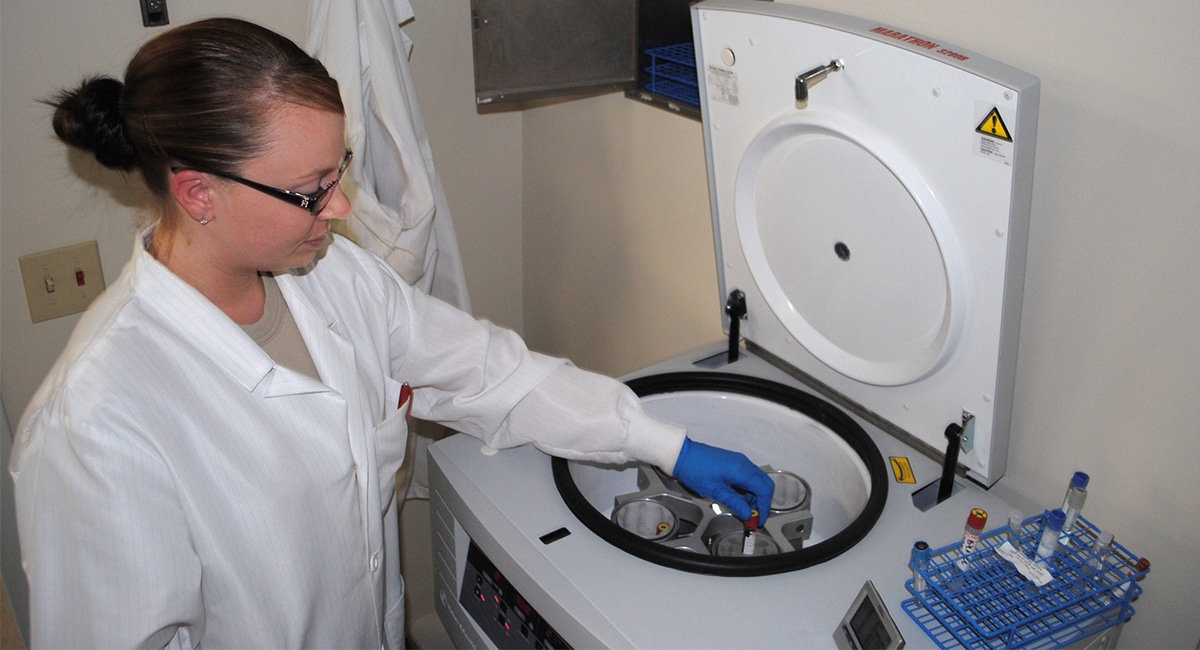
Choosing the Right Centrifuge Based on Your Laboratory Needs
When selecting a laboratory centrifuge, understanding the specific requirements of the intended applications is essential. Factors such as sample volume, desired speed, and rotor type influence the choice of centrifuge. Laboratories with limited space may prefer compact models, while those handling large sample batches benefit from high-capacity centrifuges. The need for temperature control or aerosol-tight rotors also guides the decision.
Additionally, ease of use and maintenance impact long-term freedom in workflow. By aligning the centrifuge’s capabilities with procedural demands, labs can optimize efficiency and reliability. Ultimately, choosing the right centrifuge empowers laboratories to maintain flexibility, reduce downtime, and achieve consistent results without unnecessary constraints.
Conclusion
Laboratory centrifuges vary widely to meet specific research needs, from microcentrifuges for small sample volumes to ultracentrifuges for high-speed separation. Refrigerated models protect sensitive samples, while fixed-angle and swinging-bucket rotors offer distinct advantages in sample separation. Selecting the appropriate centrifuge depends on the sample type, volume, and desired outcome, ensuring peak performance and reliable results across diverse laboratory applications. Understanding these differences aids informed decision-making.
…